
Life has its own code
September 27, 2025
First $100,000 Is the Hardest
October 15, 2025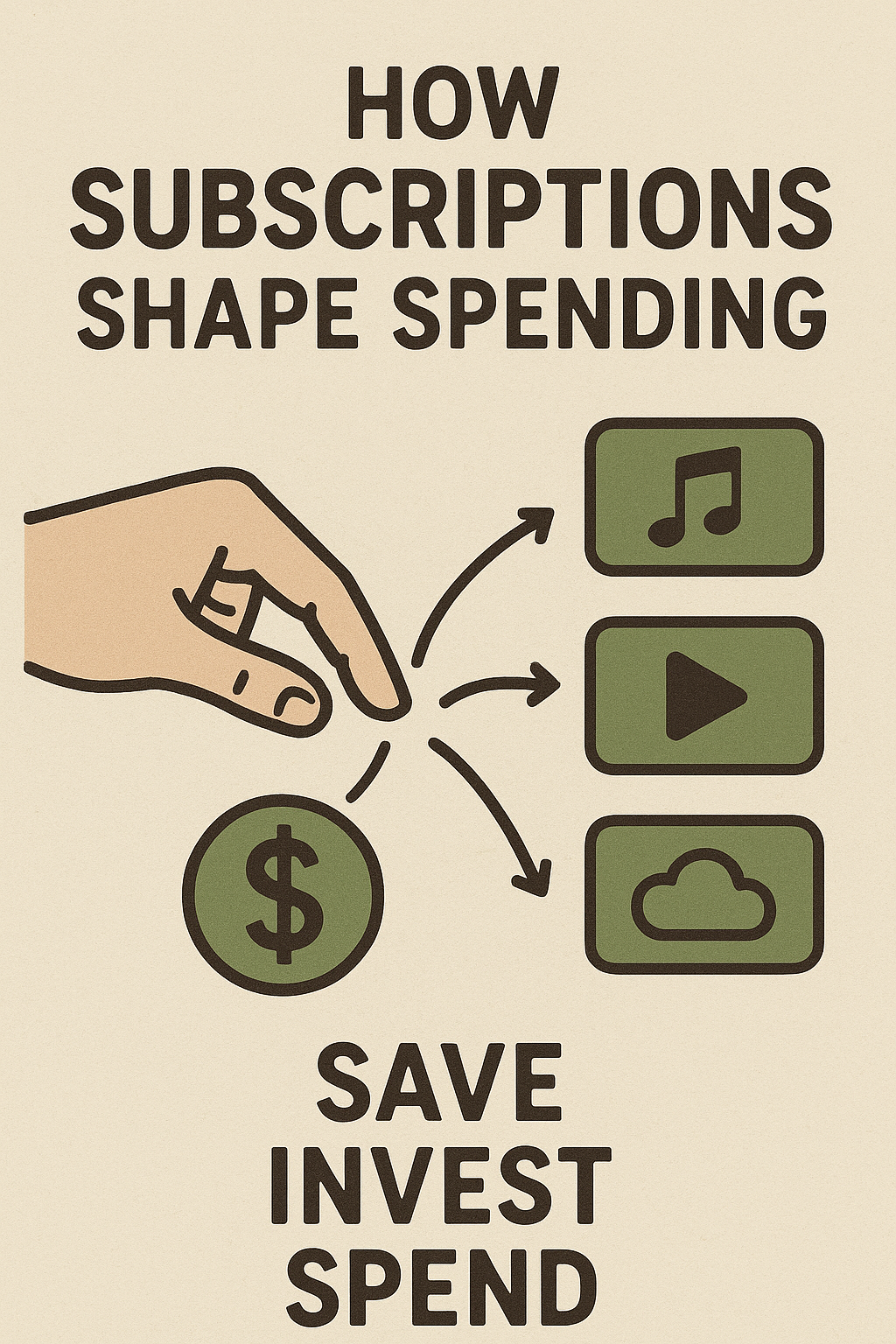
In recent years, the subscription business model has reshaped the way people consume products and services. From Netflix and Spotify to meal kits, gym memberships, and even household essentials, subscriptions offer convenience and predictability. But beneath the surface, this model has a powerful psychological influence on consumer decision making sometimes for better, sometimes for worse.
The Allure of Subscriptions
At its core, a subscription promises ease. Consumers no longer need to make repeated purchasing decisions one sign-up removes friction and ensures a steady flow of entertainment, goods, or services. Businesses benefit from recurring revenue, while consumers enjoy automated access. However, the convenience comes with a subtle psychological cost: the illusion that these small, regular payments are less significant than one-time purchases. A RM10 monthly fee feels harmless compared to a RM120 upfront cost, even though the total is the same. This effect ties into key principles of behavioural psychology.
Psychological Laws at Play
The Law of Diminishing Sensitivity (Prospect Theory), According to behavioural economics, people are less sensitive to smaller incremental costs. Paying RM9.99 per month doesn’t feel as painful as a RM120 lump sum even if it adds up to more in the long run. This is why subscriptions spread costs into manageable “micro-payments,” making consumers more likely to commit without realizing the cumulative impact on their finances. The Sunk Cost Fallacy, once consumers subscribe, they often stick with it even when they don’t fully use the service because they’ve already “paid for it.” For example, someone might keep a gym subscription despite rarely going, rationalizing that cancelling means “losing” the money already spent. Businesses thrive on this psychological trap, as it increases retention.
Impact on Personal Finance
While subscriptions make access easier, they can silently drain monthly budgets. A few RM10–RM20 services can quickly snowball into hundreds of dollars annually. Many consumers underestimate how much they spend across multiple subscriptions, reducing their ability to save or invest. On the positive side, when used consciously, subscriptions can support financial goals like budgeting meal deliveries to reduce dining out, or investing in learning platforms that build career skills. The key lies in mindful management rather than automatic acceptance.
Subscription businesses thrive because they tap into human psychology minimizing perceived cost and leveraging commitment biases. For consumers, understanding these psychological laws is crucial. By auditing subscriptions regularly and questioning whether the value matches the expense, individuals can regain control over their spending and align their financial decisions with their true priorities.
Prepared by
MoneyPillars | Brahma’s Mind